






If there is one question that gets asked more than any other (understandably!), it is where can I get a replacement 6V battery for my Tyco, Taiyo, Nikko, RadioShack, or other car that I bought online, and what charger do I use?
This was a problem that I dealt with myself when I began collecting, and so I'll do my best to document everything I've learned about these batteries and solving this problem right here, so that hopefully more of us out there can enjoy these wonderful toys, and maybe even give our kids a shot too :)
You can skip right to the replacement options here, but for safety I'd recommend reading the whole article before doing anything.
Why did they use this 6.0V Toy Battery Pack?
Throughout the late 80s, after the Jet Hopper / Turbo Hopper became a smash hit worldwide with its dynamic suspension and relatively high powered 8xAA battery design, manufacturers like Tyco / Taiyo and Nikko knew they were missing out on much of the profit from their toys. They sold the toy once, and another company (the battery company) sold their wares over and over again to keep them running.
Initially companies like Metro R/C (Australian version of Tyco R/C) tried to get some of that recurring income by offering spare part sales and repairs, but trying to get stock from the manufacturer Taiyo (Japan) was challenging, and few stores would stock the components.
So how could they get into this market, and potentially double their long-term profit per unit overnight?
As we know, Taiyo/Tyco and Metro went with the 9.6V Turbo Battery Pack for subsequent versions of the car, and marketed the heck out of it, such that many people even today believe it's more powerful than 8xAA batteries despite it simply being an 8 x AA NiCd rechargeable pack. In fact this reduced power output, since rechargeable AA batteries have a reduced output of 1.2V per cell (8 x 1.2V = 9.6V) whereas regular disposable alkaline batteries offer the full 1.5V per cell (8 x 1.5V = 12V), providing a noticeable power boost.
Still, the convenience of a rechargeable pack, and the cost savings of not having to frequently buy single use batteries was something customers could not resist, especially given these 9.6V Turbo cars had far more accessible battery compartments (see photos below) making a battery change far easier and inexpensive for parents.
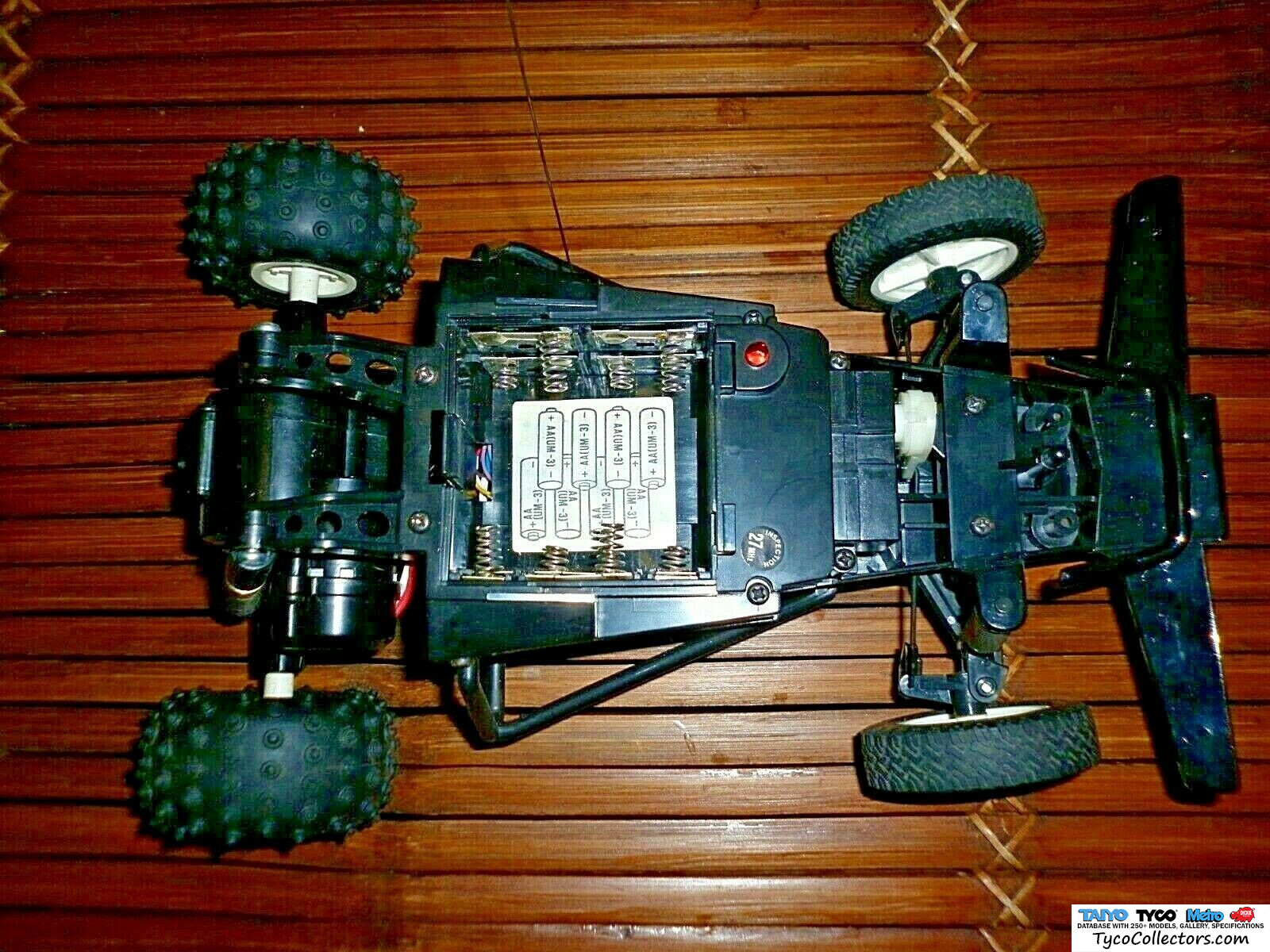

However this 9.6V Turbo idea only covered the top end of the Toy R/C market - the faster, more expensive cars. Yet by far the majority of cars most companies were selling were the smaller and cheaper cars which used 4xAA and 6xAA batteries.
Design of the 6.0V Battery Pack
As we can see even today from the plethora of kids toys which use 2xAA and 4xAA batteries, there is no big problem to be solved in the area of 4xAA battery cars. Batteries are fairly cheap to buy, easy to handle, and with only 4 in a slot, easy to install. They weren't inconvenient.
And with smaller, less powerful motors, Timmy's Mini Hopper didn't eat through quite as many batteries as a fast and power hungry 9.6V Twin Turbo Lamborghini would.
If this was going to sell, it needed to offer a convincingly better solution. While I have no idea who originally came up with the concept, it was clear they needed to engineer the heck out of this battery pack to make it as easy to use as possible, even easier than throwing in a few AA's.
Those design elements were as follows:
- No wires or plugs - connections were built into the car and battery.
- No polarity to confuse (+/-) - it would only insert one way.
- No single-use disposables - rechargeable by design.
- No battery covers to be lost - the battery itself was the cover.
And so we have the 6.0V Jet Turbo Battery Pack, as marketed by Tyco, Taiyo, Nikko, Radio Shack, and most other manufacturers with the identical design.
How on earth did they all end up using the same exact design? I'd like to know, but in my mind this suggests that the patent was owned by a 3rd party who put it on the market, and these toy companies saw it as a simple solution. It may even have been a standardized design agreed on between toy companies, similar to how USB cables and plugs work today.
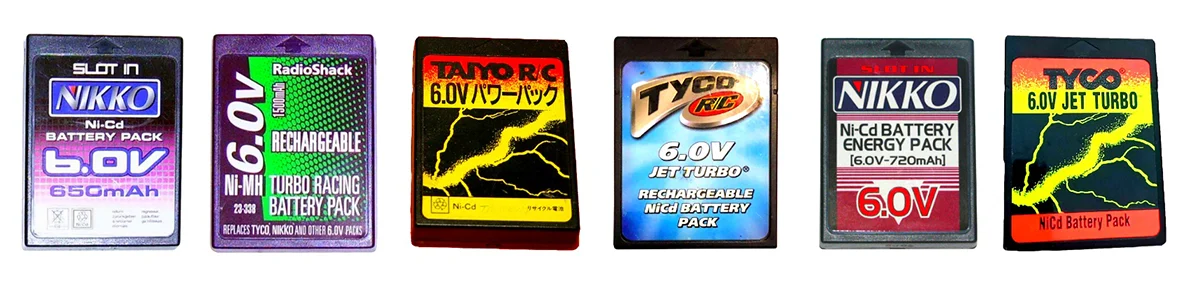
There are Nikko, Tyco, Taiyo, Radio Shack, and many other brands using this design.
Outside the pack
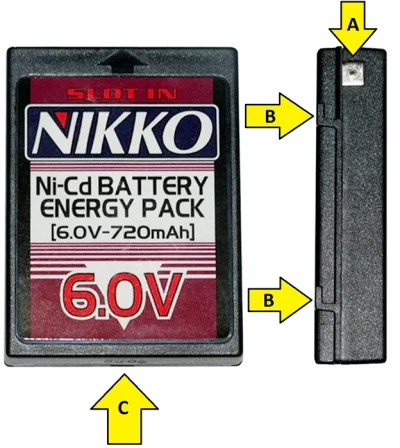
As we can see from this Nikko brand 6.0V toy battery pack, the main external design features that make this product work are:
A. Positive and Negative connections made by slightly spring loaded metal tab on each side of the battery, with a metal dimple in the center to ensure firm connection.
B. Two "dog leg" or L shapes on each side which allowed the battery to slot and lock into the vehicle.
C. The battery itself is the battery cover, ensuring no additional plastic piece was needed which would inevitably get lost or broken.
Inside the pack
As we can see from this screenshot of a restoration video I made, the inside of these batteries is super simple.

WARNING: Opening batteries is dangerous! Don't do this at home boy and girls!
As we can see, the inside of these batteries contain 5 batteries wired in series, initially NiCd (Nickel Cadmium) rechargeable with a 1.2V rating, providing in total 5 x 1.2 = 6.0V. In this case, the rechargeable battery is providing the same amount of power as 4 x AA Alkaline batteries simply by including an extra battery to make up for the loss of using rechargeable. Commendable!
If they had taken the cheaper route, and kept it at 4 x NiCd batteries, with a total power output of 4.8V there will have been a highly noticeable drop in performance, and so I'm glad they maintained that 6.0V.
Of course, a few years later after Tyco was bought by Mattel, the temptation was too great and they did release a 4.8V version...
Important differences between 6.0V packs!
You need to know this if you're planning to get a replacement and be sure it's safe and works.
In the late 90s, many manufacturers switched from using NiCd batteries inside the 6.0V pack, and began using the improved NiMH battery chemistry. These require different chargers.
Why the switch to NiMH and why does this matter?
As you may have noticed from my earlier shot of six different 6.0V packs, not all of them were NiCd rechargeable. One was NiMH (Nickel Metal Hydrate) rechargeable which is a more modern formula that does not suffer the 'memory effect' which was a common complaint in the 80s and 90s with the older style NiCd batteries.
What is the memory effect?
Basically, if you repeatedly only use the batteries until they are half flat (say 50%, but it could be anything, like 20% or 80%) and then charge it up to 100%, then use it again to the same level (eg. 50%) again, doing this over and over, eventually NiCd batteries will 'learn' that 50% is the new 0% and so the effective capacity of the battery will greatly reduce. NiMH do not suffer this issue.
Why is this important if I'm looking to get a battery for my RC toy?
Because NiCd and NiMH cannot use the same charger. It's a common mistake, easy to do, and can result in damaging the battery at minimum, or much worse (heat, fire, etc.).
Where can I get a replacement 6.0V battery for my toy?
There are several options that I have found these are the best.
Best Option: Find a reseller of new 6.0V batteries
I've only seen these for sale on several Australian online stores (for example this eBay listing), but surely they must be found elsewhere.
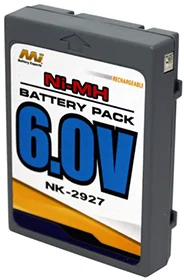
They're made by 'Battery Experts' and it's model number NK-2927 or NK-2927-BP
The positive: Genuinely new, high quality, and identical to the originals. Upgraded with NiMH battery chemistry so you don't need to fully discharge before charging again.
The downside: It's a NiMH battery so the original chargers from Tyco, Taiyo, Nikko, etc. won't work safely as those were NiCd chargers.
It may seem to work, it will fit, and it will charge, however NiCd chargers just blast the batteries with higher voltage at a high rate which is NOT how a NiMH battery was designed to be charged. This will cause the battery to overheat, and potentially burst. Do not use the original charger with new NiMH cells!
Ok, so what charger to use?
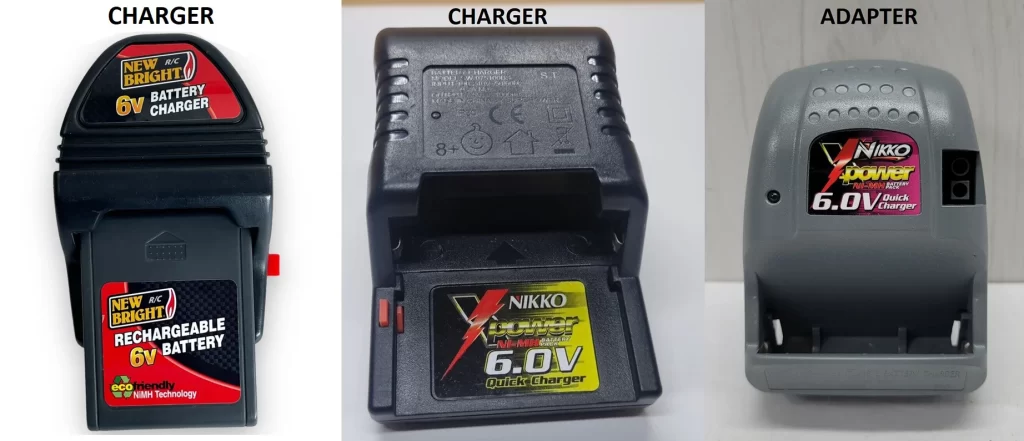
Common 6.0V NiMH Battery Chargers, some with battery included
- New Bright 6v Battery Charger with Eco Friendly NiMH Technology (click to search eBay)
- Nikko X-Power NiMH 6.0V Quick Charger (click to search eBay)
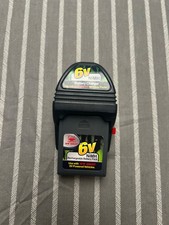


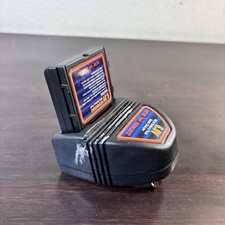


Both New Bright and Nikko sell older NiCD and newer NiMH chargers, so make sure you buy one that matches your battery!
Warning on 110V/220V!
Whenever buying electronics from other countries, always check the device is compatible with your countries power. While today, every powerpack seems to be compatible with all 110V, 220V, 240V power levels, this wasn't always the case, and it's a common first mistake for collectors of 1980s and 1990s Japanese Taiyo RC cars to plug in the vintage 110V charger to their Australian / European 220V/240V wall outlet and POOF! It's instantly fried. Luckily there's a fuse inside which has ensured no damage beyond the charger, but yeah... Check the voltage on the back is compatible with your country's power grid!
Slightly Dodgy Option: "New" Old Stock
I would not personally recommend this, but it's worth discussing why this is potentially risky and dangerous, especially if you are a laymen without an understanding of electronics.
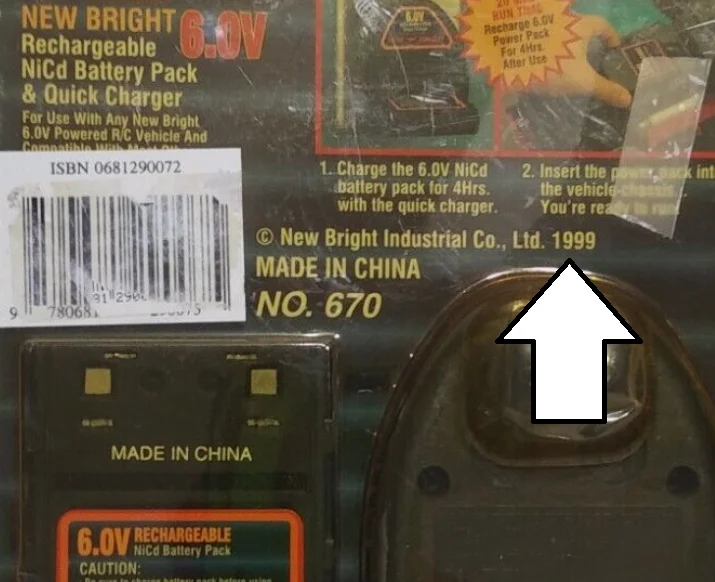
There are many "new" 6.0V batteries on eBay which are better described as old but unused or unopened packages. Some of these are over 20 years old, with several examples I've seen showing 1999 as the year of manufacture. The "newest" one I saw was 2008 which even then is 15 years old!
*2008 was 15 freakin years ago?!
Why is this a bad idea?
Batteries degrade over time. It's entirely possible the battery you buy will be completely flat, and non-rechargeable. Worse, it's also possible that it WILL charge, but the chemical composition has changed so much that it heats up and the pack leaks, or has a dangerous reaction.
Option Only for the Experts: Restoration
Warning: Do not try this unless you are experienced with electronics repair. Improperly handled batteries can catch fire and cause damage, or worse.
As some of you may have seen already, it is possible to remove the old NiCd batteries and replace them with new ones (or even NiMH) since the 6.0V battery is merely some standard AA batteries inside a plastic case. Obviously though, you need to be familiar with electronics, soldering, and particularly any safety considerations to avoid causing damage, a short, or worse.
The hardest part of this process is opening the plastic case. There are two ways that people have reportedly done this.
- The Vice
Putting the battery/case in a vice and squeezing until it snaps open. The obvious danger is that you squeeze to hard, and burst one of the batteries. Certainly also you'd want to ensure the battery was completely flat without any energy before doing this. - The Saw
Cutting open any battery is dangerous and something only a skilled and trained electronics specialist may do. The obvious danger is damage to the batteries, causing a short, sparks, etc. You'll also need to repair the damage done to the case by cutting into it, since you'll have lost some plastic doing it this way.
For more information on this, see the video below.
Another Option for the Experts: Build your own!
Warning: Obviously you should only be constructing a battery or any kind of electronics if you know what you are doing. DIY electronics even at 6.0V can be dangerous if done improperly.
In an era of 3D printing, it's entirely possible to build your own battery with the same case design, if you have the time and skills for it. In fact someone has already kindly designed the same case, and uploaded the model for us to obtain absolutely free. Nice!
Click here to visit this model at Thingiverse


What if I don't own a 3D printer?
These days you don't need a 3D printer to benefit from the technology, as there are many services you can upload your (free) file to, select what plastic and color you'd like it printed in (PLA should be fine for this, or PETG if you wanted something much stronger), what color (black), and they'll print it off and send to you in the mail.
Two of the best worldwide services for this are:
Of course you'd also need a bunch of other parts to do this project. Off the top of my head that would include:
- 6 x AA rechargeable batteries
NiCd or NiMH depending on how you intend to charge it - Thin metal to fabricate the contacts
- Soldering iron and wiring
- Nonconductive plastic or cardboard to isolate the batteries as seen in original design (see video)
- Superglue
Personally if I were going that far, I'd also want a nice copy of the battery art printed out, to really make it nicely done, but that's up to you. I'd also want to embed a standard 2.1mm barrel plug to make charging it via a standard hobby grade RC car charger easy, whether NiCd or NiMH.

That's all for now!
I hope this has help answer your question, or taught you something you didn't know.
I'd love to hear any comments you have - see below!